
Common Roofing Design Defects We See All the Time in London (And How Drone Surveys Spot Them Instantly
London buildings span centuries, and many design defects come from poor extensions, overlapping systems, or old detailing that has never been updated. A drone survey captures these defects quickly and safely without scaffolding.
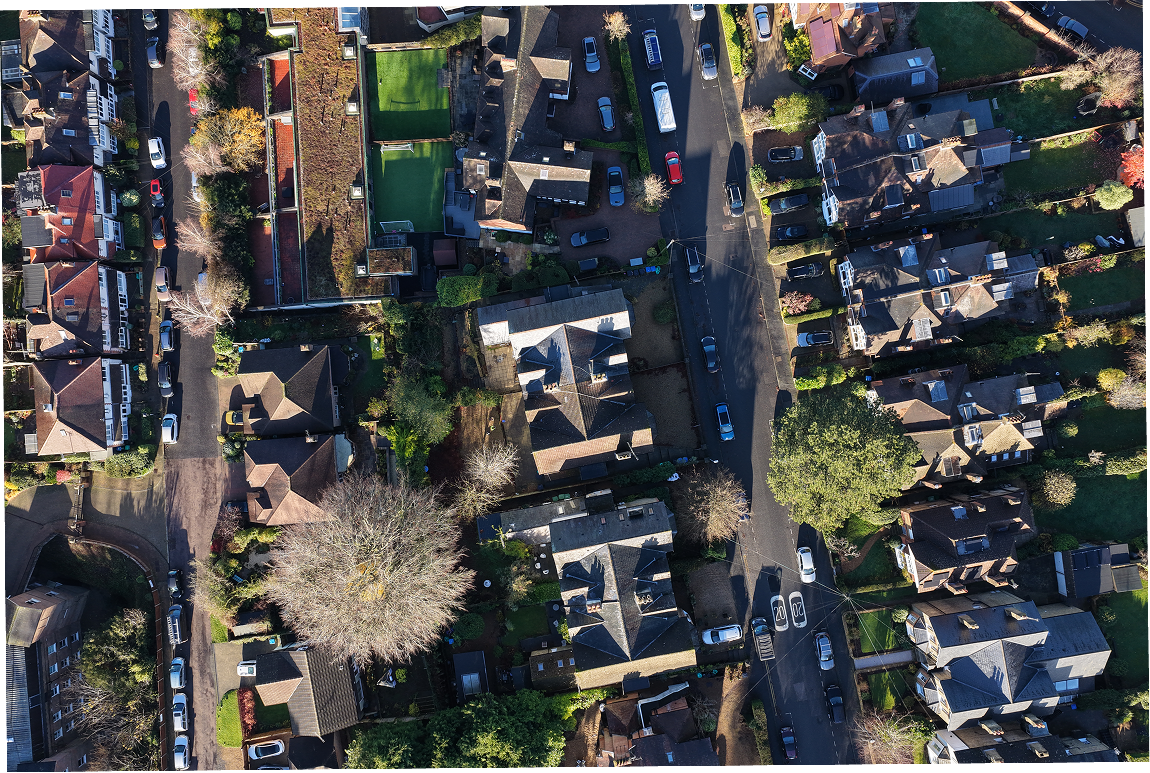
The Most Common Roofing Design Defects in London
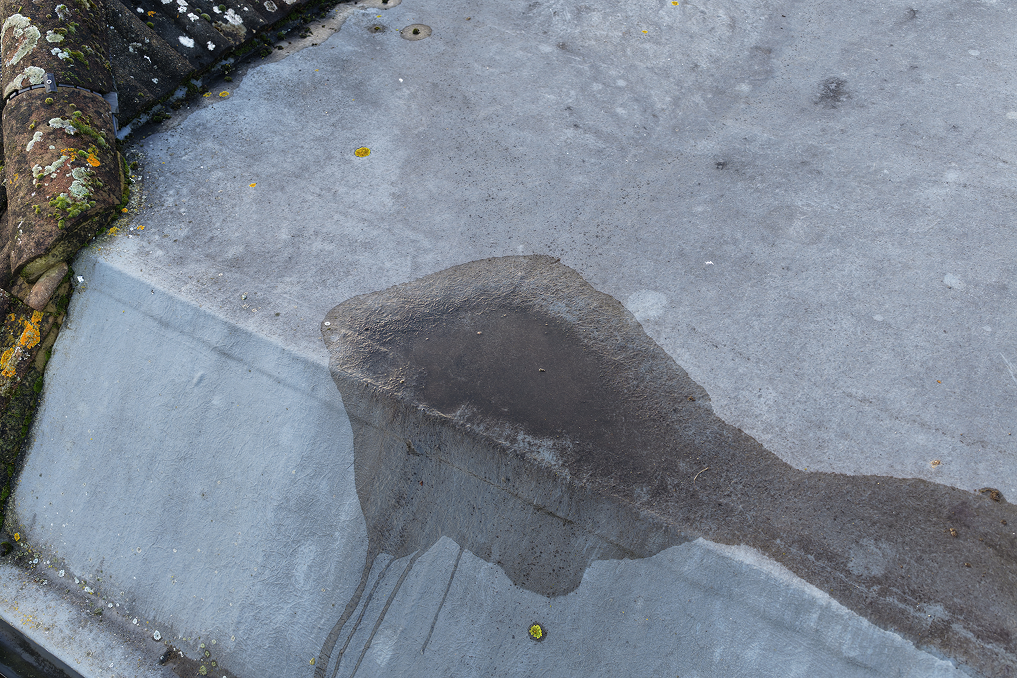
A. Poorly Designed Flat-to-Pitched Junctions
Especially where 1930s pitched roofs meet newer extensions.
Common issues:
– Water pooling where no fall exists
– Failed upstands
– Tiles discharging onto flat roofs without proper drip details
– Cracking around junctions
Drone advantage: can see the exact water pathways and pooling.
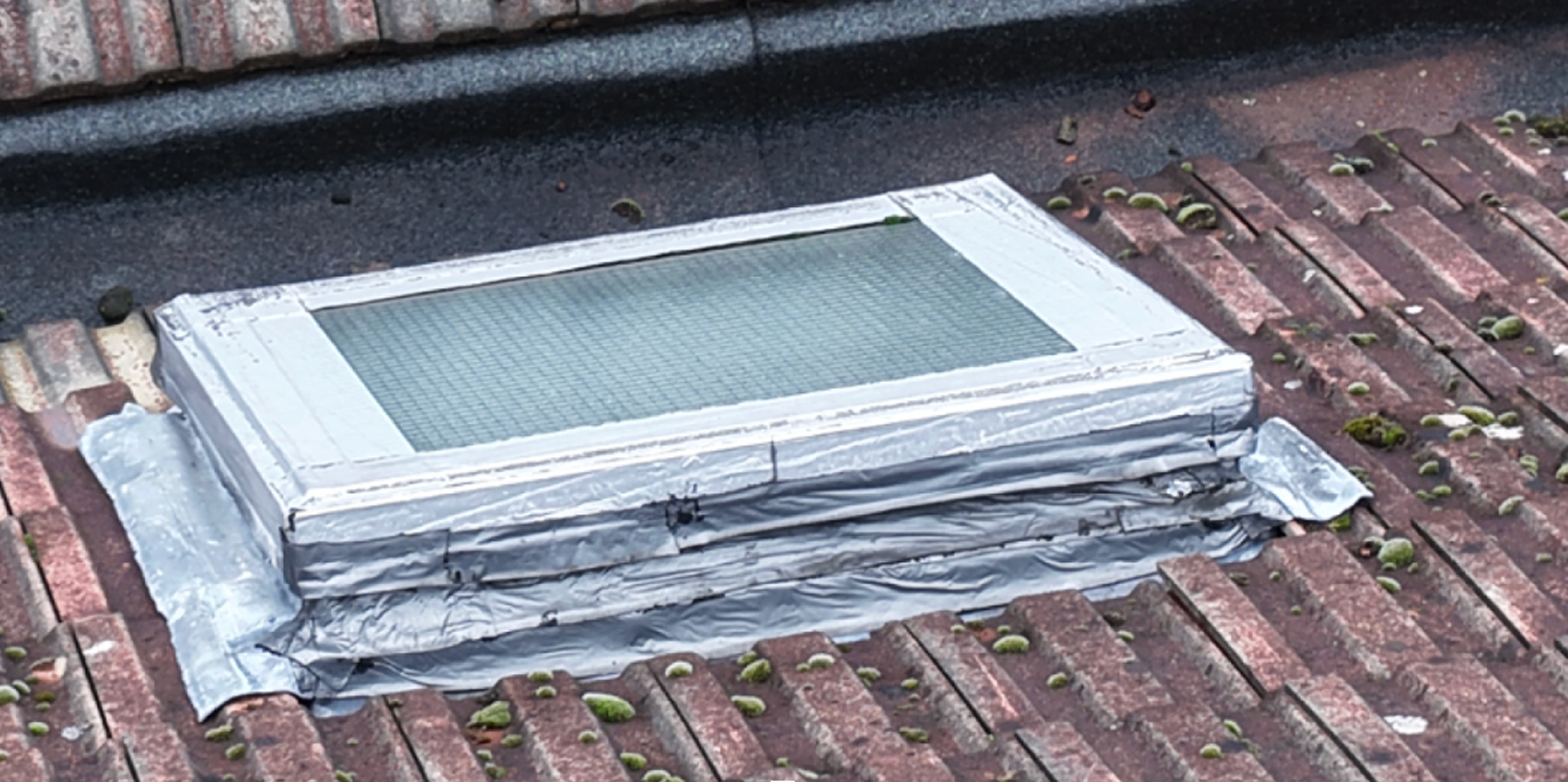
Oversized or Improperly Installed Skylights
Very common on Victorian loft conversions.
Problems include:
– Skylights installed too close to valleys
– Flashings cut short
– Temporary tape repairs
– Undersized upstands
Drone advantage: identifies flashing failures and sealant deterioration.
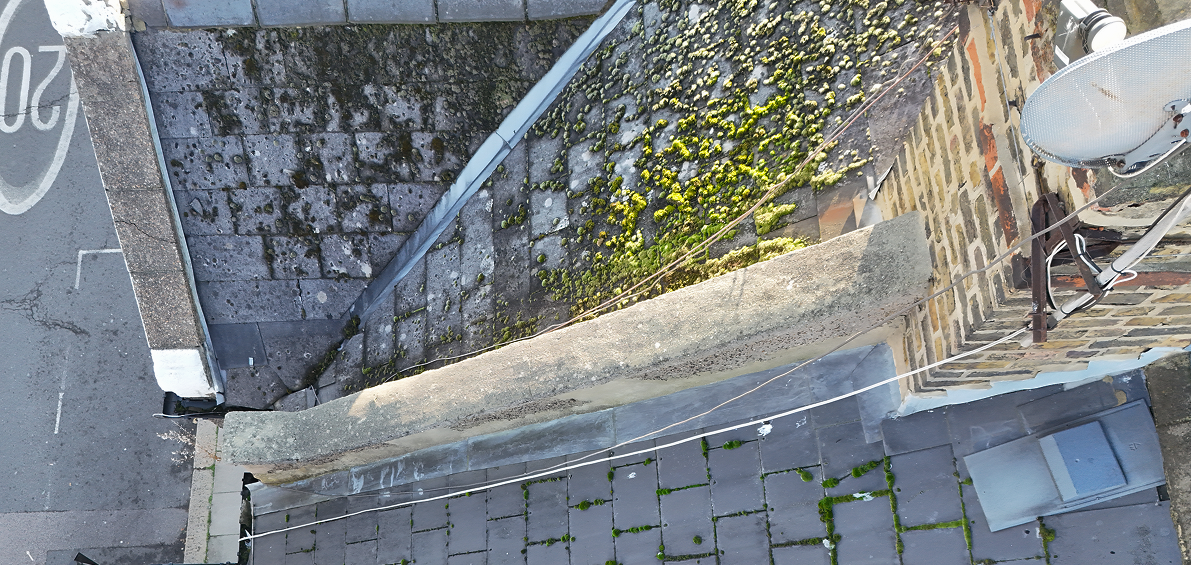
C. Valley Design Errors (Especially on Mansard Conversions)
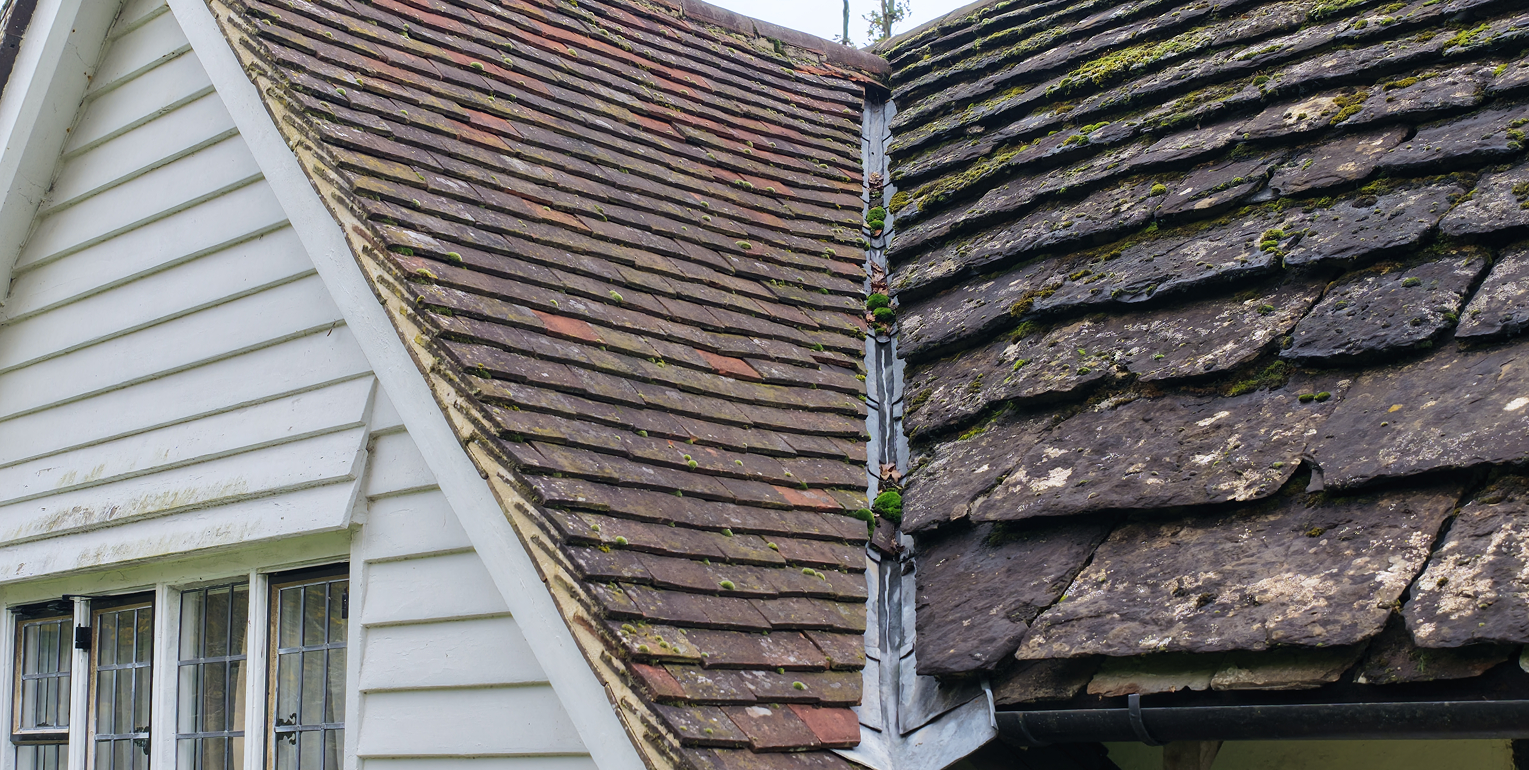
On London terraces, internal valleys are prone to:
– Poor lead detailing
– Blockage from leaves and moss
– Cheap replacement with non-lead materials
– Water tracking behind tiles
Drone advantage: allows clean inspection without stepping on fragile materials.
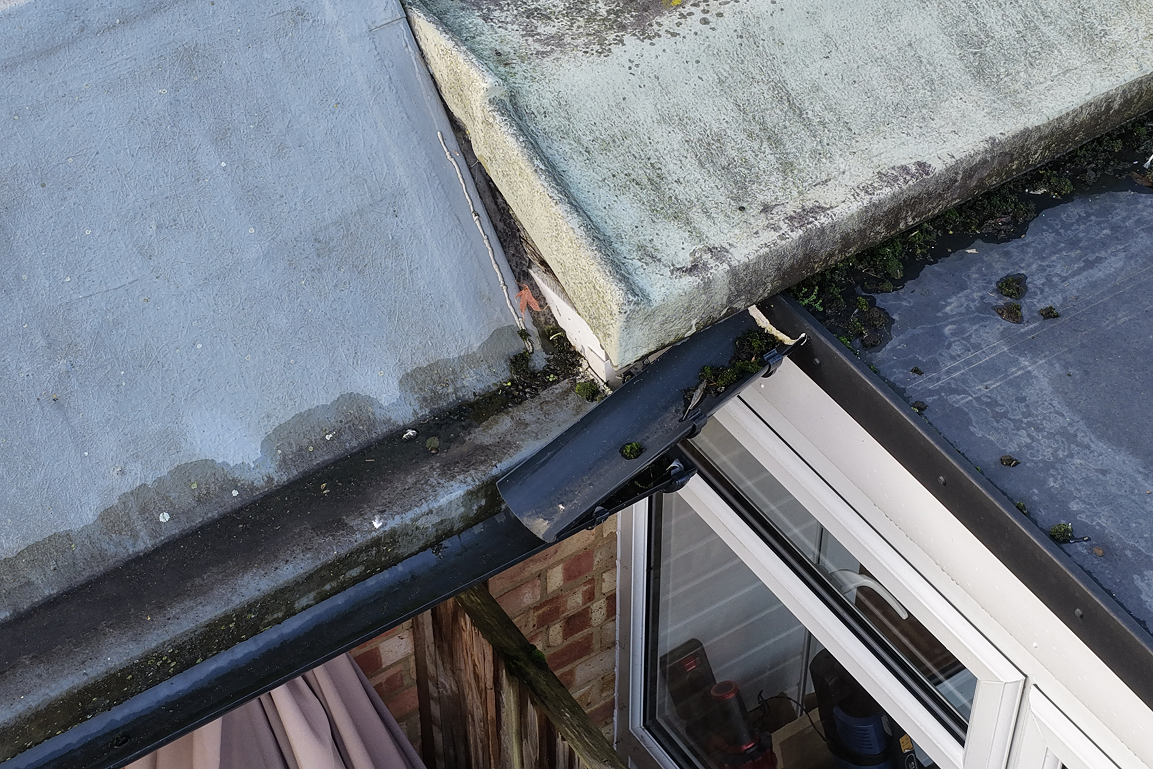
D. Incorrect Gutter Falls and Blocked Hidden Gutters
London parapet houses get this constantly.
Issues include:
– Water pooling behind parapets
– No proper fall direction
– Debris build-up
– Saturated brickwork and internal damp
Drone advantage: high-angle imagery shows fall direction clearly.
E. Dormer Design Defects
On 80% of London loft conversions you see:
– Weak side flashings
– Exposed OSB edges
– Poor junction between flat dormer roof and pitched main roof
– Lack of drip edges
Drone advantage: the drone can capture angles impossible from ground level.
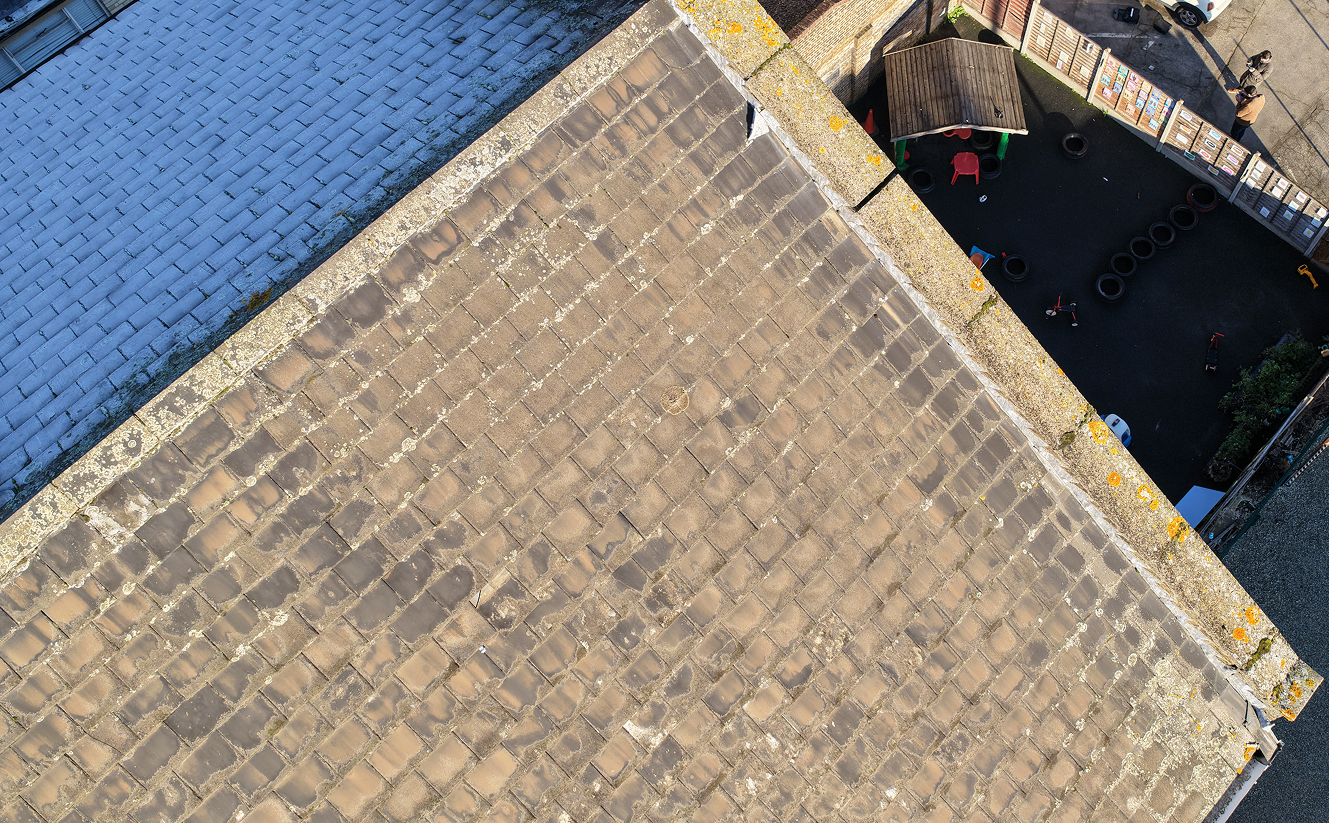
F. Cheap Re-roofing Over Old Layers
Common in rental properties where cost cutting is done.
Issues:
– Weight load on structure
– Hidden decay
– New covering not tied into existing details
– Ridge and hip mortar cracking
Drone advantage: images instantly reveal inconsistencies across materials.
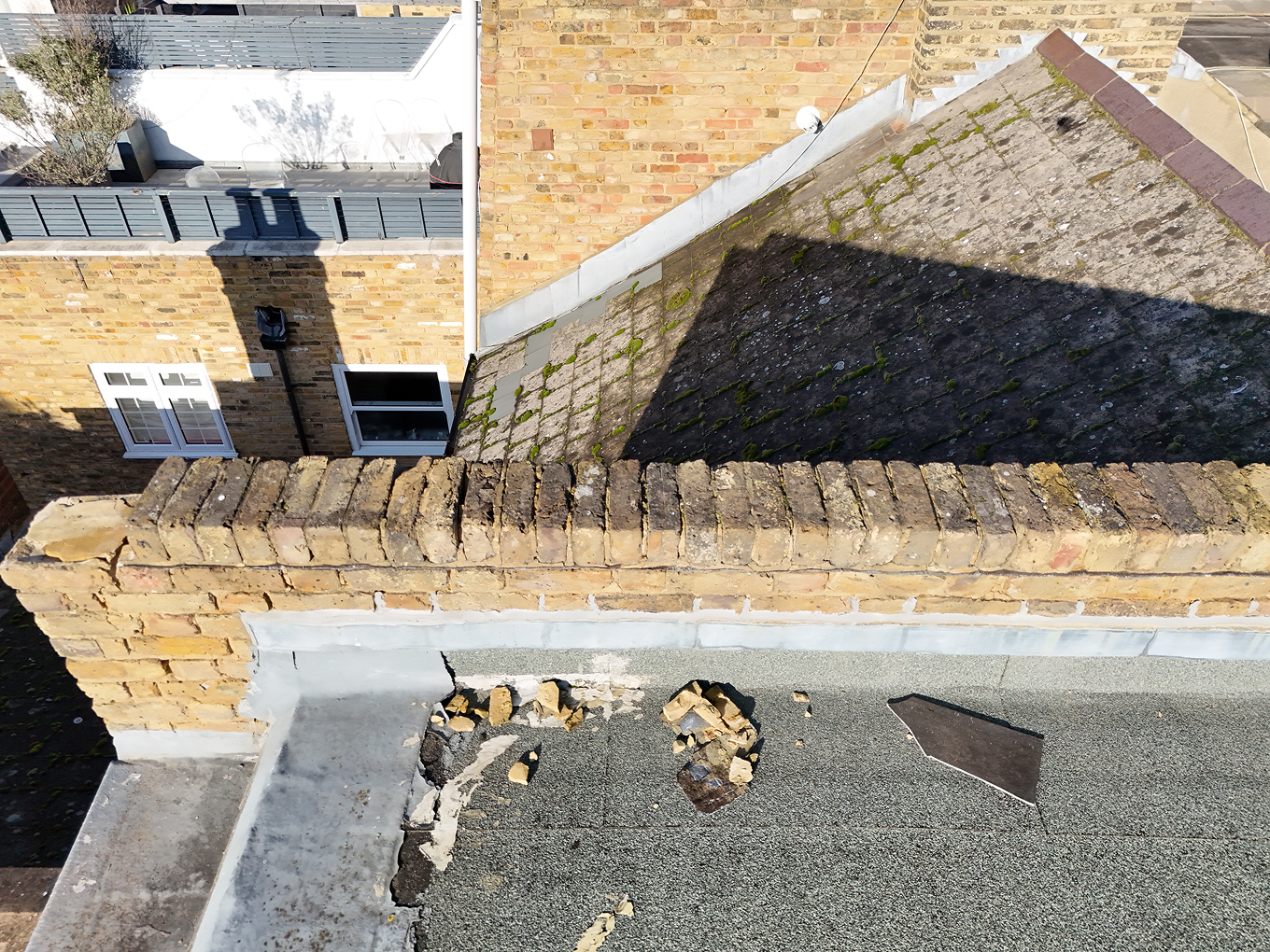
G. Defective Parapet Coping Design
Common in North London Victorian terraces.
Problems:
– Cappings too small for wall width
– No proper drip detail
– Cracks letting water run down cavity
Drone advantage: identifies cracks long before they become leaks.
3. Why These Defects Are So Common in London
Many roofs are over 100 years old
Poor-quality loft conversions from 1990–2010 boom
Extensions stacked on top of older structures
Limited access means many roofs aren’t inspected properly
Patch repairs instead of full design fixes
4. How Drone Surveys Help Detect These Issues Quickly
No scaffolding
Safe close inspection
Can capture all elevations in one visit
Architectural overlays/defect maps
Traffic-light condition rating
Same-day turnaround
5. When to Book a Drone Inspection
Before buying a London property
After a new loft conversion
After leaks that “keep coming back”
When managing multiple properties
As part of planned maintenance programmes